

PVC Fence Installation: Step-by-Step Guide for a Straight, Long-Lasting Fence
Installing a PVC fence correctly in Hollywood is less about speed and more about preparation, alignment, and patience. When it’s done right, a PVC fence can last decades with minimal maintenance. In my experience, most installation problems don’t come from the panels themselves, but from poor planning and rushed post installation.
Planning Your PVC Fence Installation in Hollywood, FL
Good planning is what separates a professional-looking fence from one that slowly starts leaning after a year.
Before digging a single hole, take time to map out the layout, confirm boundaries, and understand the terrain you’re working with.
This guide walks you through the entire PVC fence installation process step by step, focusing on the details that actually make the difference on site.
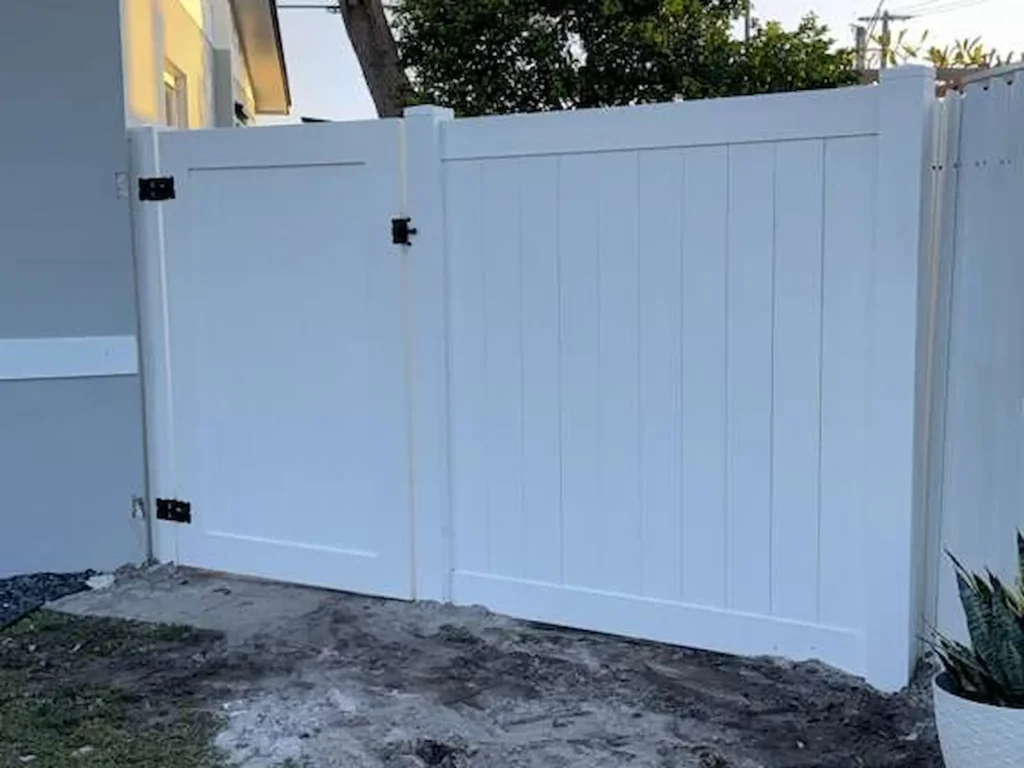
Checking Property Lines and Local Regulations
Always confirm your property lines and check local regulations before installing a fence. Many councils and HOAs have rules regarding fence height, placement, and materials. Skipping this step can lead to costly adjustments or even forced removal later.
Another critical step is contacting utility services before digging. In practice, this is non-negotiable. Hitting a utility line can turn a simple PVC fence installation into a serious and expensive problem.
Marking the Layout With String Lines
Using string lines is one of the simplest yet most important steps. In my own installations, running a tight string line between corner posts ensures every intermediate post stays perfectly aligned.
This visual reference makes it much easier to:
Keep posts straight.
Spot alignment issues early.
Avoid a “wavy” fence line once panels are installed.
Post Spacing: Why 6–8 ft Works Best
Most PVC fence systems are designed for post spacing between 6 and 8 feet. Staying within this range provides enough structural support without stressing the rails or panels.
I’ve found that pushing spacing too far may save time initially, but it often leads to sagging rails or panels popping loose over time.
Tools and Materials You’ll Need
Having everything ready before you start prevents delays once posts are set in concrete.
Essential Tools for Digging and Leveling
Post hole digger or auger.
Shovel.
Spirit level.
Tape measure.
String line.
Wheelbarrow or mixing tray.
PVC Fence Components and Hardware
PVC fence posts.
Rails (bottom and top).
Panels.
Concrete mix.
Gravel (for drainage).
Manufacturer hardware (clips, U-channels).
Post caps.
Using the hardware provided by the manufacturer is important, as PVC systems are designed to flex slightly and lock together in specific ways.
Installing PVC Fence Posts Correctly
Post installation is the foundation of the entire fence. If posts are not straight, level, and secure, no amount of adjustment later will fully fix it.
How Deep to Dig Post Holes (and Why 3 ft Matters)
A depth of around 3 feet is a solid benchmark for most PVC fence installations. This depth provides stability against wind, soil movement, and long-term settling.
Shallow holes are one of the most common mistakes I see, and they almost always result in leaning posts after a few months.
Using Gravel for Drainage
Before placing the post, add a layer of gravel at the bottom of the hole. This helps with drainage and prevents water from sitting directly under the post.
In real-world conditions, especially in areas with heavy rain or clay soil, gravel makes a noticeable difference in long-term stability.
Setting Posts in Concrete and Keeping Them Plumb
Once the post is positioned:
Align it with the string line
Check it is plumb on all sides
Pour concrete evenly around the post
Take your time here. Adjusting a post after the concrete begins to set is difficult and often ineffective.
Letting the Concrete Set: What to Expect
How Long to Wait Before Installing Rails?
Concrete typically needs 24 to 48 hours to set properly before attaching rails and panels. Rushing this step can shift posts out of alignment, undoing all the careful leveling work.
From experience, waiting an extra day is always worth it.
Common Mistakes During Curing
Installing rails too early
Bumping posts while concrete is still soft
Ignoring slight misalignment assuming it will “self-correct”
Concrete does not self-correct—what you see after curing is what you’re stuck with.
Installing Rails and PVC Fence Panels
Once posts are fully set, installation becomes much faster.
Why the Bottom Rail Comes First?
Always install the bottom rail first. It establishes the baseline for panel height and ensures consistent spacing from the ground.
This approach also makes it easier to compensate for minor ground slopes.
Using Clips and U-Channels Properly
PVC fence systems rely on clips and U-channels to secure panels while allowing slight movement. Follow the manufacturer’s instructions closely, as forcing panels into place can cause cracking or warping over time.
Finishing Touches and Final Checks
Installing Post Caps
Post caps are more than decorative. They help protect the post interior from moisture and debris, extending the life of the fence.
Final Alignment and Stability Check
Walk the entire fence line and:
Check post alignment visually.
Ensure panels are seated correctly.
Confirm all hardware is secure.
In my experience, this final walk-through often reveals small adjustments that dramatically improve the finished look.
PVC Fence Installation Tips to Avoid Costly Mistakes
Never skip string lines for alignment.
Don’t underestimate post depth.
Always use gravel for drainage.
Respect concrete curing time.
Follow manufacturer hardware instructions.
These small details are what separate a fence that lasts 5 years from one that lasts 25.
FAQs About PVC Fence Installation in Hollywood, Florida
Can I install a PVC fence myself in Hollywood, Florida?
Yes, PVC fence installation can be a DIY project in Hollywood, Florida if you follow local regulations, contact utility services before digging, and install posts correctly. Special attention should be given to post depth, concrete setting, and alignment due to Florida’s sandy soil and weather conditions.
How far apart should PVC fence posts be in South Florida?
In South Florida, PVC fence posts are typically spaced between 6 and 8 feet apart. This spacing provides adequate structural support and helps the fence withstand high winds and seasonal storms.
How deep should PVC fence posts be set in Hollywood, FL?
PVC fence posts in Hollywood, Florida should generally be set around 3 feet deep. Deeper post holes improve stability in sandy soil and help the fence resist movement caused by heavy rain and wind.
Do PVC fence posts need concrete in Florida?
Yes, using concrete is strongly recommended for PVC fence installation in Florida. Concrete anchors the posts securely and reduces shifting in sandy or loose soil, which is common in the Hollywood area.
How long should concrete cure before installing PVC fence panels in Florida’s climate?
In Florida’s warm and humid climate, concrete should cure for at least 24 to 48 hours before installing rails and panels. Allowing proper curing time helps prevent post movement and misalignment.
Should I use gravel at the bottom of fence post holes in Hollywood, FL?
Yes, adding gravel at the bottom of fence post holes improves drainage, which is especially important in Hollywood, Florida where heavy rainfall can cause water accumulation around posts.
What are the most common PVC fence installation mistakes in South Florida?
Common mistakes include digging post holes that are too shallow, skipping string lines for alignment, not accounting for sandy soil conditions, and installing rails before the concrete has fully cured.