

South Florida properties need fencing that does more than mark a boundary. The right fence can improve security, control access, protect equipment, support curb appeal, and stand up to heat, humidity, salt air, heavy rain, and storm season. For business owners, property managers, associations, and developers, choosing dependable fence installation services means balancing price, durability, permitting, timelines, and long-term maintenance from the start.
What should you expect from fence installation services in South Florida?
You should expect a clear scope, practical material guidance, help with local requirements, and a professional installation process that minimizes disruption to your property. In South Florida, a good fence contractor should understand commercial codes, city or county permitting, soil conditions, corrosion risks, drainage concerns, and the importance of building for a hurricane-prone climate.
That matters because fencing south florida is not a one-size-fits-all project. A fence around a warehouse yard has different requirements than fencing for a retail plaza, multifamily property, school, HOA entrance, marina, or office complex. Some properties need visibility and aesthetics. Others need privacy, access control, or heavy-duty security. Many need all of those things at once.
A professional approach typically starts with a site review. The installer should look at property lines, grade changes, existing structures, underground utilities, gate locations, vehicle flow, pedestrian access, and any damaged or aging fence that needs removal. From there, the project can be planned around the property’s real use, not just a generic fence style.
Cost and value start with a detailed scope
Price is one of the first questions most owners ask, and it should be. Commercial fence installation can represent a meaningful investment, especially on larger sites or properties that require gates, demolition, custom layouts, or permitting. The lowest number is not always the lowest cost, though. A quote that leaves out important details can create change orders, delays, and repairs later.
For similar jobs, pricing can vary by hundreds of dollars or more depending on materials, labor, access, site conditions, and the contractor’s process. That is why transparent estimates matter. A useful proposal should make it easy to understand what is included, what is excluded, and where costs may change if site conditions are different than expected.
When comparing quotes for florida fence installation, look for details such as:
- Fence type and height: Commercial-grade aluminum, vinyl, chain link, wood, and privacy fencing all carry different material and labor considerations.
- Post depth and setting method: Strong post installation is essential for stability, especially in areas exposed to wind and saturated soil.
- Gate specifications: Vehicle gates, pedestrian gates, security hardware, hinges, latches, and automation needs can significantly affect the final cost.
- Removal and disposal: Taking down an old fence, hauling debris, and cleaning the site should be addressed clearly.
- Permitting support: If permits are needed, the estimate should explain who handles applications, drawings, revisions, inspections, and related fees.
- Timeline expectations: A lower price loses value if the project drags on or disrupts business operations.
- Warranty or follow-up: Ask what happens if a post shifts, a gate needs adjustment, or a section needs attention after installation.
A fair estimate does more than name a price. It helps you understand what you are buying, why one material costs more than another, and how the final fence will perform on your property.
Materials that make sense for South Florida properties
South Florida fencing has to handle intense sun, moisture, storm exposure, and in many coastal areas, salt in the air. Material choice affects appearance, security, maintenance, and replacement timing. For commercial properties, it also affects how customers, tenants, staff, and inspectors experience the site.
Aluminum delivers security with a clean appearance
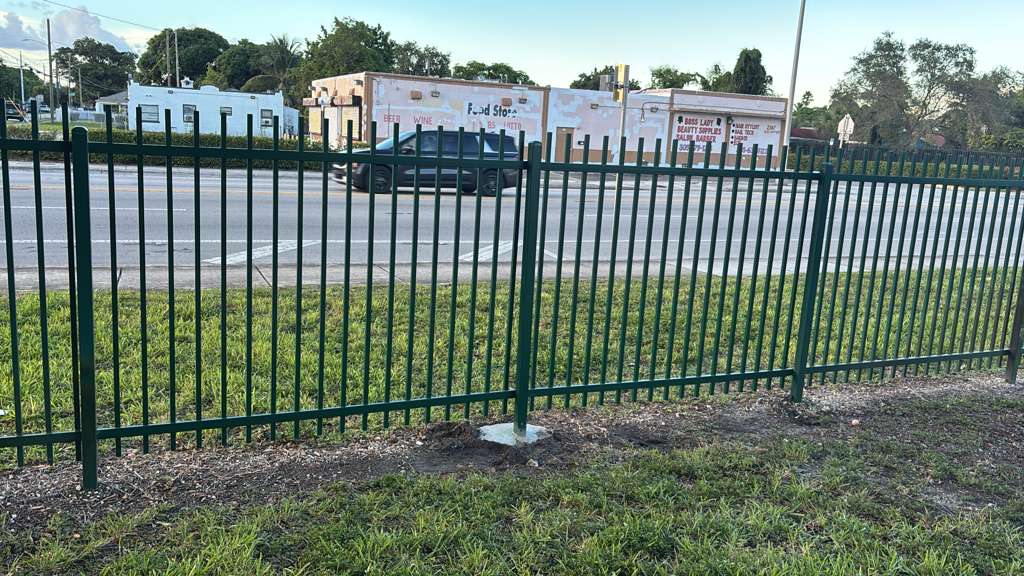
Aluminum is a strong option for many commercial sites because it resists corrosion better than many traditional metal materials and offers a polished look without blocking visibility. Aluminum fence installation south florida is commonly considered for office parks, multifamily communities, pool areas, schools, retail centers, and perimeter fencing where appearance matters.
It can also be paired with gates and access control elements when the property needs a more secure entrance. For businesses that want a professional look without the enclosed feel of a solid privacy fence, aluminum often provides a balanced solution. The key is choosing commercial-grade materials and proper installation methods rather than assuming every aluminum product performs the same.
Vinyl works well where low maintenance and privacy matter
Vinyl is popular for clean visual lines, privacy applications, and relatively low routine maintenance. It does not require painting like wood, and it can help screen service areas, dumpsters, mechanical equipment, pool zones, and tenant spaces. For commercial properties focused on aesthetics, vinyl can be a strong choice when the design fits the site.
However, vinyl still needs proper installation. Posts, panels, gates, and reinforcement details matter, especially in areas with heavy wind exposure. A contractor should explain where vinyl is appropriate and where a more open or heavier-duty solution may be better.
Chain link remains practical for utility and budget control
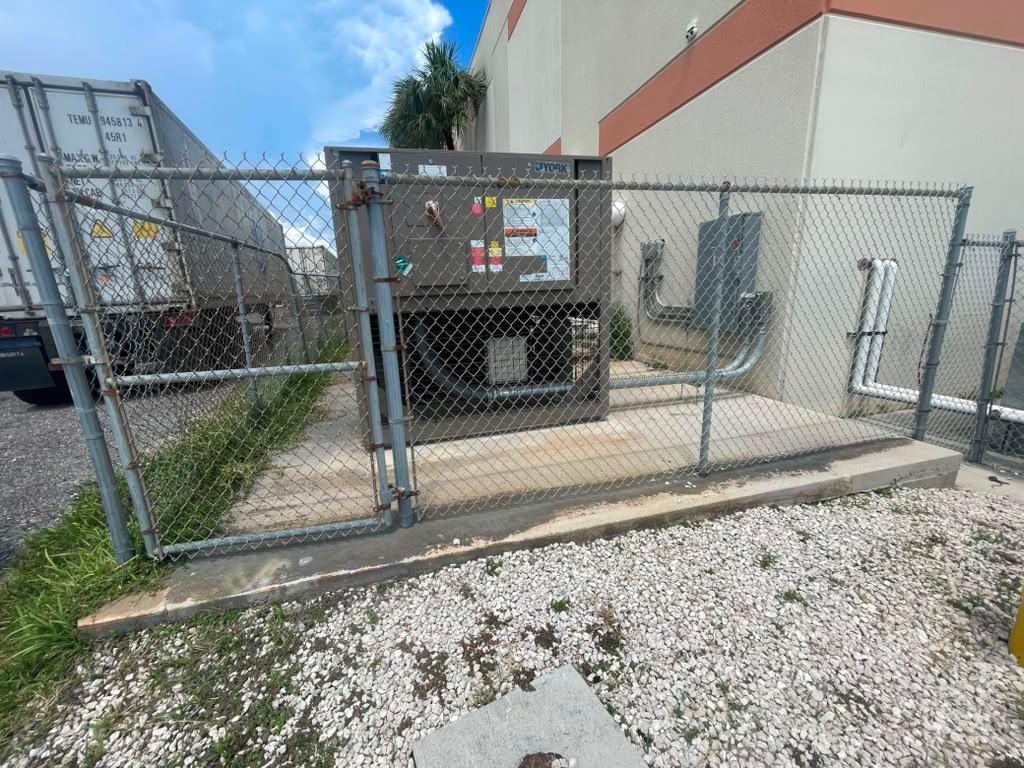
Chain link is often used for warehouses, storage yards, construction zones, municipal facilities, back-of-house areas, and properties where visibility and cost control are priorities. It may not offer the same curb appeal as decorative aluminum or vinyl, but it can be highly practical for large perimeters.
Options such as coated fabric, privacy slats, barbed wire where allowed, and heavier posts can improve function. For many commercial fence installation projects, chain link remains a dependable solution when the main goals are access control, boundary definition, and efficient coverage.
Wood can be attractive but needs careful consideration
Wood fencing can create a warm, natural look, but South Florida’s moisture, insects, and sun exposure can make maintenance more demanding. For commercial properties, wood may be less desirable when long-term durability and low upkeep are priorities. If wood is selected, owners should plan for maintenance and understand how it may age in the local climate.
How do permits and timelines affect fence installation south florida projects?
Permits and timelines can affect the project as much as materials do because many South Florida cities and counties have specific requirements for fence height, placement, wind resistance, gates, easements, visibility triangles, and property use. A professional installer should help identify what approvals are needed and guide the project through the steps before work begins.
Permitting is especially important for commercial properties because the fence may interact with zoning, life safety access, drainage, parking, landscaping, ADA access, or utility easements. Installing first and asking questions later can lead to fines, removal, redesign, or costly delays. The smoother path is to confirm requirements early and build the schedule around realistic approval times.
Typical timeline factors include:
- Site visit and measurements: The contractor reviews the layout, access points, existing conditions, and project goals.
- Material selection and proposal: You receive recommendations and pricing based on the site and intended use.
- Permit review, if required: Plans or documents may need to be submitted to the city, county, association, or property owner.
- Material ordering: Lead times vary by product, finish, gate type, and custom requirements.
- Installation scheduling: The crew coordinates around business hours, tenant access, parking, safety needs, and weather.
- Final adjustments and cleanup: Gates are checked, lines are reviewed, debris is removed, and any punch-list items are addressed.
Some straightforward projects can move quickly once approvals and materials are ready. Larger commercial sites, custom gates, utility conflicts, or post-storm demand can extend the schedule. Good communication is what keeps the process manageable.
A strong installation process reduces future problems
Even high-quality materials can fail early if installation is rushed or poorly planned. Posts that are too shallow, weak gate hardware, poor alignment, inadequate bracing, or failure to account for drainage can all create problems after the crew leaves. In a climate where rain and wind are routine concerns, craftsmanship is not optional.
Professional fence installation services should focus on both speed and precision. Efficient crews may be able to complete substantial fence runs in a short working window when the site is prepared, but fast work should never mean careless work. The best outcome is a clean, organized installation that protects daily operations and produces a fence that looks right from the street and performs behind the scenes.
For commercial properties, that may include coordinating access for employees and tenants, protecting landscaping, keeping work areas tidy, staging materials safely, and communicating when entrances or parking areas will be affected. These details may seem small, but they influence how smooth the project feels to everyone using the property.
Commercial fencing should match the way the property works
A commercial fence is part of a larger operating system. It affects who enters, how vehicles move, where visitors go, how deliveries happen, and how secure the property feels after hours. Before choosing a style, it helps to think through the fence’s daily job.
Consider these common commercial scenarios:
- Retail centers: Fencing may need to guide customers, screen service areas, protect equipment, and maintain an attractive exterior.
- Industrial and warehouse properties: Security, durability, wide vehicle gates, and clear access routes are often the priority.
- Multifamily communities: Fencing may support pool safety, privacy, controlled access, pet areas, and curb appeal.
- Schools and childcare properties: Visibility, safe access points, and secure boundaries are often central to the design.
- HOA and community entrances: Appearance, gate function, and consistency with community standards usually matter.
- Post-storm replacement projects: Speed, code awareness, and durable materials become especially important when damaged fencing affects security or operations.
This is where local knowledge becomes valuable. Fence installation south florida projects should be planned with the property’s purpose, location, exposure, and compliance needs in mind.
What should you ask before hiring a South Florida fence contractor?
You should ask questions that reveal how the contractor communicates, plans, handles permits, manages crews, and supports the project after installation. A good contractor should be able to explain the process clearly without pressuring you into a material or layout that does not fit your property.
Useful questions include:
- Have you completed similar commercial fence installation projects in this area?
- Which materials do you recommend for this property, and why?
- Will this project require a permit, and who handles the paperwork?
- How do you account for wind exposure, drainage, soil conditions, and corrosion?
- What gate hardware or access-control preparation should we consider?
- How will installation affect tenants, customers, employees, parking, or deliveries?
- What is included in cleanup, final inspection, and post-installation adjustments?
- Can the proposal separate required items from optional upgrades?
The answers should feel specific to your site. If every recommendation sounds the same, the contractor may not be thinking through the actual conditions that affect performance.
Maintenance protects the investment
After installation, maintenance depends on the material. Aluminum may need periodic rinsing, especially near coastal areas, along with occasional checks of gates, hinges, latches, and fasteners. Vinyl should be cleaned as needed and inspected for loose sections or impact damage. Chain link should be checked for tension, leaning posts, damaged fabric, and gate alignment. Wood requires more frequent attention, including sealing, staining, or repair as it weathers.
Commercial properties should also inspect fencing after major storms. Look for shifted posts, loose panels, damaged gates, blocked drainage, and any section that could create a safety issue. Addressing small repairs early can help avoid larger failures and preserve the property’s appearance.
A simple maintenance checklist can help property managers stay ahead:
- Walk the fence line after storms or major landscaping work.
- Test gates regularly to confirm smooth swing, latch function, and proper alignment.
- Keep vegetation trimmed away from panels, posts, and access points.
- Watch for rust, corrosion, cracks, leaning posts, or loose hardware.
- Document issues with photos before requesting repairs or warranty support.
The right fence balances security, appearance, and service
South Florida fence services are most valuable when they combine practical material knowledge, clear pricing, permitting awareness, and careful installation. The right partner will help you choose a fence that fits your property’s risk, budget, appearance goals, and daily operations.
Whether you are replacing storm-damaged fencing, upgrading a commercial perimeter, adding gates, or planning a new build, start with a site-specific conversation. A well-planned project can improve security, reduce maintenance stress, and give your property a cleaner, more professional edge for years to come.